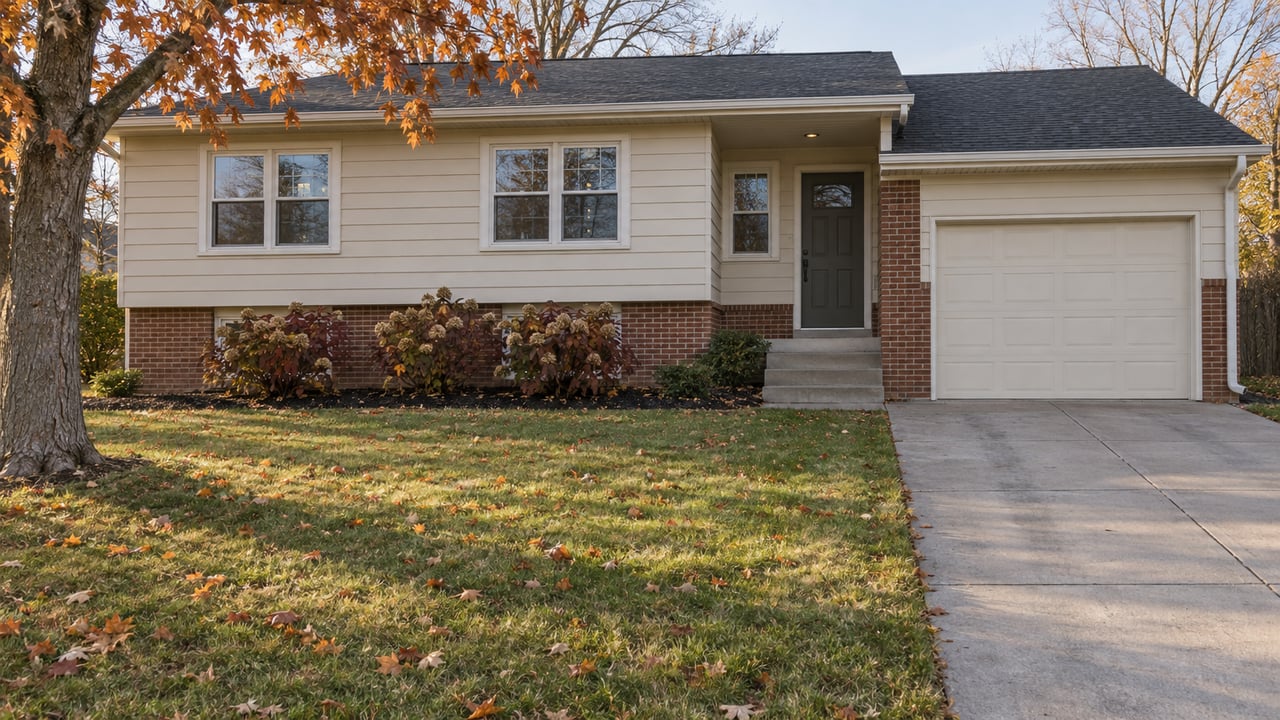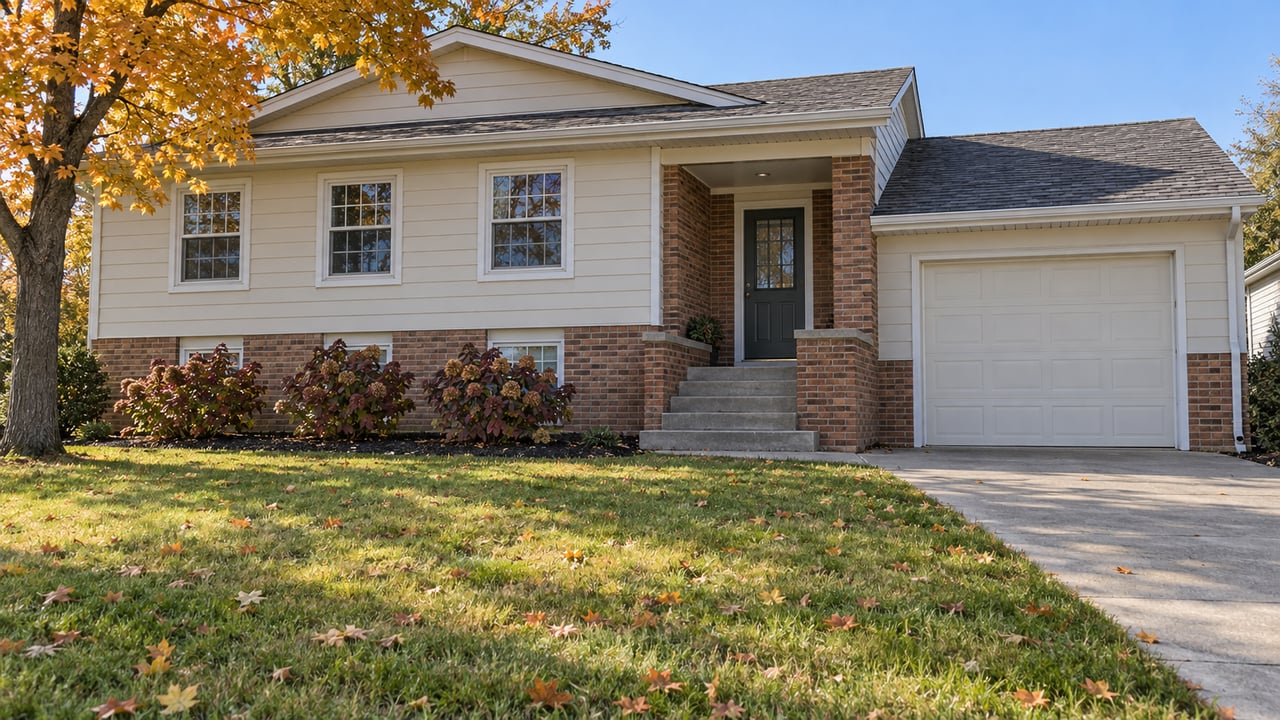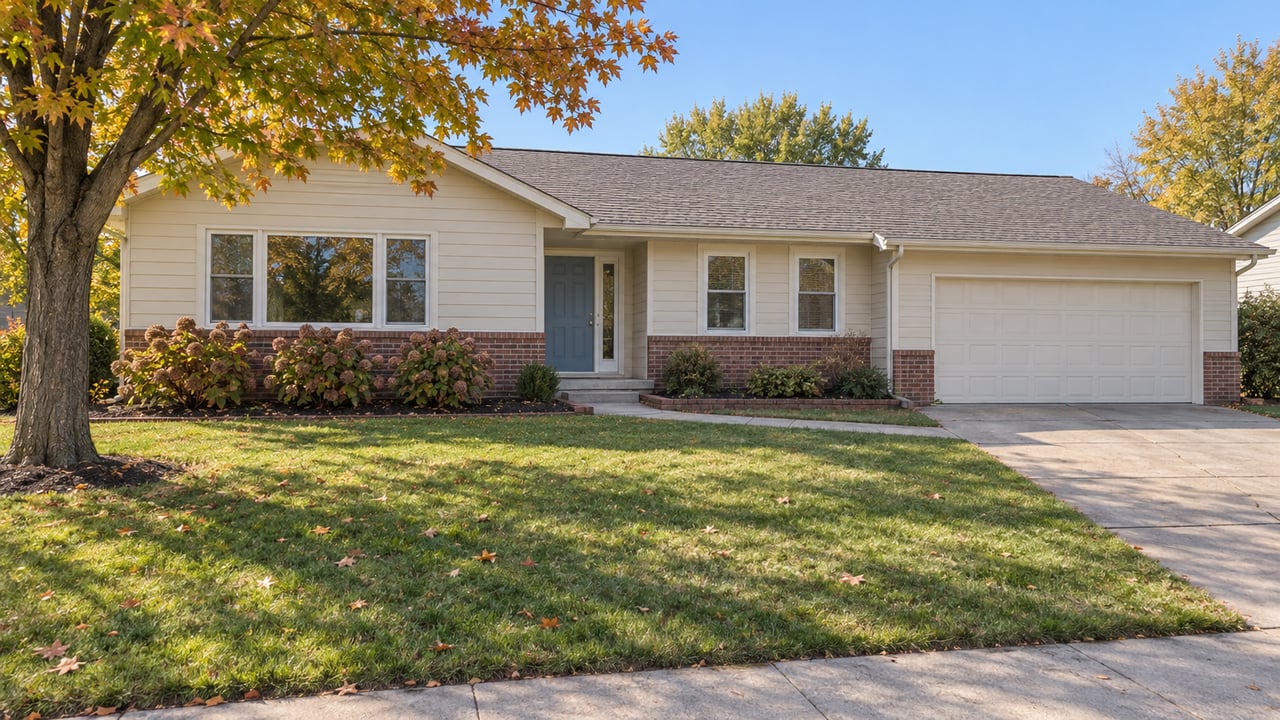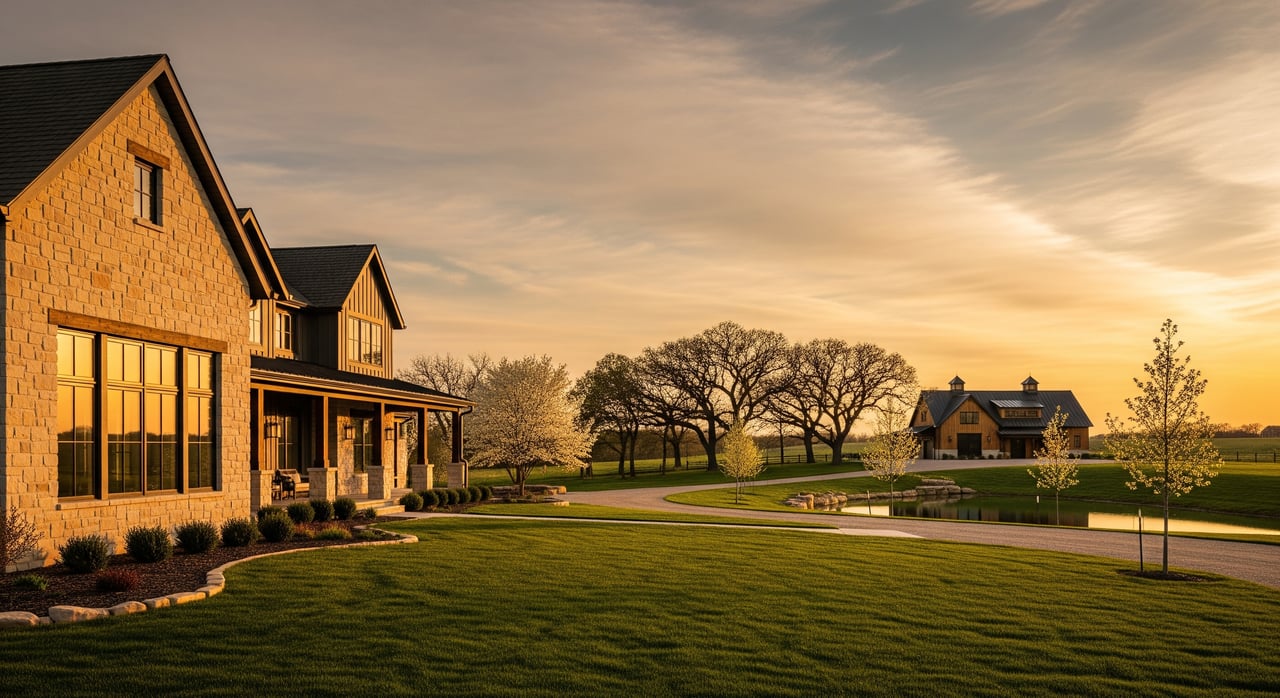
Thinking about selling in Miami County but not sure when to put up the sign? Timing can shape your price, your days on market, and how smoothly your move goes. You want a sale that fits your life and your goals, not the other way around. In this guide, you will learn the best listing windows for both in-town homes and acreage, how seasons affect buyer demand, and how to prep so you hit the market with confidence. Let’s dive in.
What determines the best time to sell
Several local factors influence when your property will shine:
- Market seasonality: Buyer activity typically builds in spring, peaks from March through June, and cools into late fall and winter.
- Buyer type: Family buyers, Kansas City commuters, investors, and acreage buyers move on different schedules and respond to different cues.
- Weather and access: Spring storms, summer heat, and winter conditions affect curb appeal and showings. Unpaved driveways or county roads can be a factor for rural properties.
- Land cycles: Pastures, crops, drainage, and fence visibility change with the seasons, which affects how acreage presents to buyers.
- School and holiday calendars: Many families aim for summer closings. Holidays and winter months usually bring fewer showings.
- Financial environment: Interest rates and regional job patterns can strengthen or soften demand at any time.
- Local rules: Property classification, agricultural-use valuation, and zoning or permitting can influence buyer interest and timing.
Best time to sell an in-town home
In-town homes in places like Paola, Spring Hill, and Louisburg serve local owners and Kansas City commuters. The county follows broader metro trends, which means spring is your strongest season.
Spring: Peak demand, March through June
Spring brings more active buyers and more listings. Curb appeal is at its best with green lawns and blooms, and many families are searching with a goal to close before school starts. You will face more competition, so pricing and presentation need to be sharp. Listing in late winter or early spring helps you catch the early wave of traffic.
Summer: Still active and move-friendly
Summer stays busy, especially June through August, because many families want to move during school breaks. Showings can be steady, and moving logistics are easier. The tradeoff is very hot days and vacation schedules that can scatter weekend showing times. If you list in late spring, summer can carry you to a successful closing.
Fall and winter: Fewer buyers, less competition
Fall typically sees lower buyer traffic, but shoppers are often more serious and focused. Curb appeal declines as foliage changes, so lean on clean entryways and tidy landscaping. Winter is the slowest period for showings and new listings, yet competition is also light. If you need to sell quickly in winter, pricing thoughtfully and presenting a move-in-ready home can still produce a good result.
In-town listing checklist by season
- Spring focus: Fresh mulch, trimmed shrubs, clean windows, and bright photos when the lawn is green.
- Summer focus: Shade and cooling features, backyard entertaining areas, and energy efficiency.
- Fall focus: Leaf cleanup, exterior lighting for earlier sunsets, and warm interior staging.
- Winter focus: Clear walkways, cozy staging, and highlighting updates that reduce utility costs.
Best time to sell acreage and small farms
Acreage and small-farm buyers often come from a wider area and care deeply about land features. Their timing is less tied to school schedules and more to how the land looks and how accessible it is.
Late spring to early summer: Showcase growth and water
From late April through July, pastures and fields look productive. Buyers can evaluate grazing potential, landscape maturity, and creek levels after spring flow. The main challenges are spring storms and muddy access on unpaved roads. Plan showings for drier windows and keep paths and gates easy to navigate.
Late summer: Peak pasture and crop display
August and September can highlight strong pasture growth and crop progress on any tillable acres. Access is often better with fewer rain events. High heat can limit showing windows to mornings and evenings, so be flexible with scheduling.
Fall after harvest: Boundaries and structures stand out
October and November let buyers see soil condition and field boundaries after harvest. With leaves down, fences, contours, and outbuildings are more visible. Some buyers in this season are also interested in hunting or recreation uses. Fields can look bare, so balance your photos with earlier-season images that show the property’s full potential.
Winter and early spring: Clear views and easier inspections
From December through March, dormant vegetation reveals drainage, topography, and structures. Frozen ground can actually help access on some unpaved routes. The tradeoff is that pastures and landscaping look less lush. If you use winter to list, consider pairing current images with earlier drone photos that show green growth.
Access and inspection planning for acreage
- Plan around road and driveway conditions, especially after rain or thaw.
- Coordinate with any crop or livestock operations so showings do not interfere.
- Schedule well, septic, fence, and soil evaluations when the ground is workable and safe.
- Provide clear driving directions and any access notes to reduce no-shows.
Choose your timing by your goal
Goal: Maximum sale price
- In-town homes: Prepare early and list in late winter through spring to catch peak demand. Sharp pricing, strong photos, and early momentum matter.
- Acreage and small farms: List when your highest-value features present best. For grazing, green late spring is compelling. For tillable land, post-harvest highlights soil and boundaries. Use seasonal photos to tell the full story.
Goal: Fastest sale
- In-town homes: Spring helps, but you can move quickly in fall or winter if you price strategically and present a clean, move-in-ready home.
- Acreage: Winter buyers are often serious and flexible. Keep access workable, offer clear documentation, and be open on showing times.
Goal: Fixed move date
- In-town homes: Work backward 60 to 90 days from your target closing. If you want a summer move before school, list by spring to allow for contract and closing.
- Acreage: Build in extra time for appraisals, specialized inspections, and any agronomic evaluations. These deals can take longer than in-town homes.
Your prep timeline
In-town homes: 6 to 10 weeks out
- Weeks 6–8: Declutter, complete minor repairs, touch up paint, and tune up curb appeal.
- Weeks 3–4: Deep clean, service HVAC, clear gutters, and plan professional photography for ideal light and weather.
- Week 1: Final staging touches, fresh mulch, and exterior tidying. Confirm listing details and showing instructions.
Acreage and small farms: 8 to 12 weeks out
- Weeks 8–10: Repair or tighten fence lines and gates. Mow selective areas to reveal boundaries. Tidy around outbuildings and equipment areas.
- Weeks 5–7: Line up any recent well, septic, or soil test results if available. Map field boundaries and prepare a simple features sheet.
- Weeks 2–4: Schedule drone and ground photos for the season that best showcases your land. If listing in a dormant season, gather earlier green-season images.
Photos and marketing that fit the season
- Use bright, well-timed exterior photos with clean skies and visible landscaping.
- For acreage, add aerial images to show contours, drainage, and structures. Pair seasonal images so buyers see both lush growth and clear boundary views.
- In-town listings should highlight commuter routes, neighborhood amenities, and simple outdoor living setups. Keep descriptions clear and factual.
What to expect after you list
- Spring listings often see quicker showing activity. Summer can carry momentum to closing.
- Fall and winter bring fewer showings but more focused buyers. Price and presentation matter even more.
- Acreage deals can include fence, well, septic, and soil evaluations. Build in time for these steps and keep access easy for inspectors and appraisers.
How we help you pick the right window
Choosing the best time to sell is part market knowledge and part strategy. We evaluate your property type, your goals, and how the season will affect presentation and access. Then we tailor pricing, photos, staging, and marketing so you meet the right buyers at the right time. When you want to sell smart in Miami County, a clear plan makes all the difference.
Ready to map out your timeline? Connect with Robert Kristi Porter for a custom plan that fits your goals and the season.
FAQs
What months are best to list a house in Miami County, KS?
- Spring, roughly March through June, typically brings the most buyer traffic, with summer still active as families aim to move before school starts.
Is winter a bad time to sell a home in Miami County?
- Winter has fewer buyers and showings, but there is also less competition; serious buyers are still active, so thoughtful pricing and presentation can work well.
When should I list acreage or a small farm in Miami County?
- List when your key features show best: late spring for green pastures, post-harvest fall for field boundaries, or winter for clear views of drainage and structures.
How far in advance should I prep my Miami County home to sell?
- Start 6 to 10 weeks before listing for in-town homes and 8 to 12 weeks for acreage to complete repairs, tidy grounds, and capture strong photography.
Do school calendars affect the best time to sell in Miami County?
- Yes, many family buyers prefer summer closings to avoid school disruptions, which is one reason spring listings often see strong demand.