You want more room, fewer neighbors, and space for the hobbies you love. Acreage living in Miami County can give you all of that, but the details behind wells, septic, zoning, and access can surprise even experienced buyers. In this guide, you will learn what drives value, which pitfalls to avoid, and how to verify the essentials before you write an offer. Let’s dive in.
Miami County acreage value basics
If you are moving from Johnson County, price expectations can shift. As of December 2025, Realtor.com reported a countywide median single‑family price around $329,000 in Miami County, compared with roughly $600,000 in Johnson County. That gap is real, yet acreage pricing does not follow suburban rules.
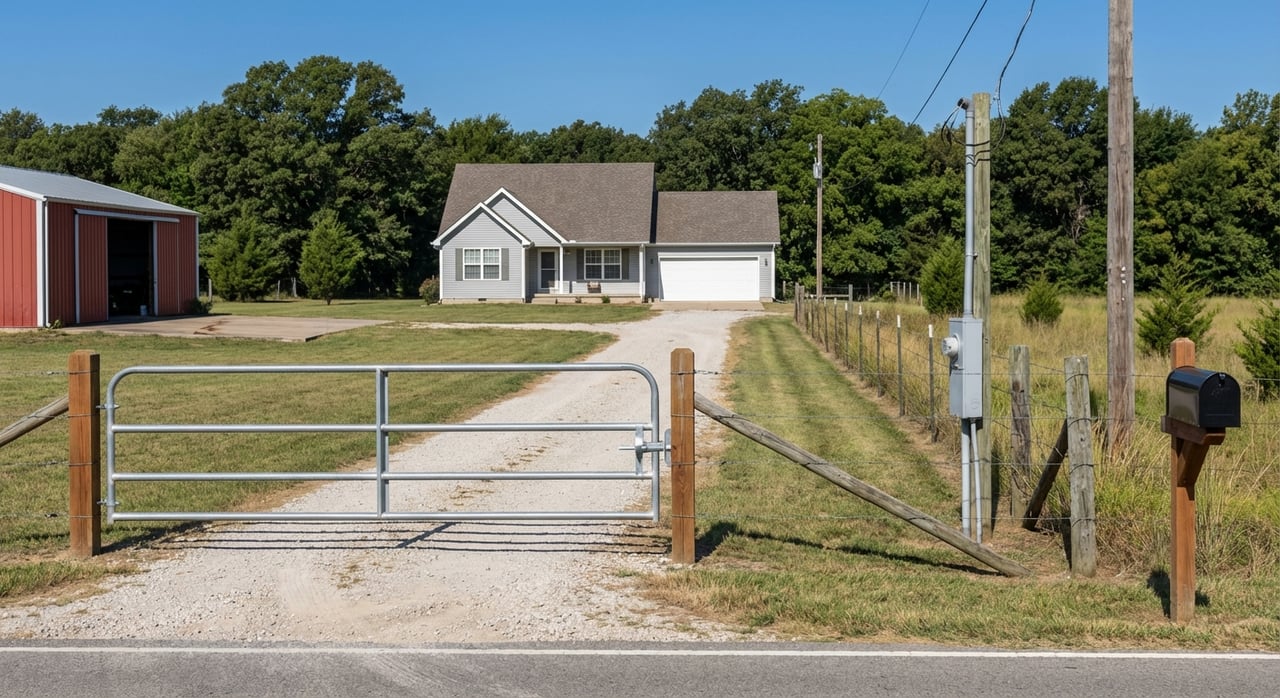
Per‑acre numbers swing widely based on location, utilities, and improvements. Raw pasture far from services can price far lower per acre than a small, improved tract near commuter corridors with a water meter and power at the lot line. When a home and outbuildings are part of the package, the dwelling and immediate utility access drive most of the value. Use price per acre as a range tool, but expect appraisers to focus on comparable improved acreages rather than raw land alone.
Zoning, uses, and permits
Before you fall in love with a property, confirm what you can build and how you can use it. Miami County’s zoning code governs everything from setbacks and accessory buildings to whether a second dwelling or home business needs special approval. Start by confirming the parcel’s zoning district and whether it is in unincorporated county or inside a city limit. For official guidance, review the county’s Planning and Zoning resources and the zoning regulations.
- Primary rural districts include Agricultural, Countryside, and Rural Residential. Overlay zones, such as floodplain areas and airport approaches, can add extra rules.
- Planned developments and subdivisions follow added standards. Private streets, shared drives, and open space have specific design and maintenance requirements. If future lot splits are part of your plan, read the Subdivision Regulations early.
Permits are required for new builds and many improvements. The county enforces modern model codes, including the 2018 International Codes and the 2017 National Electrical Code. Confirm that existing structures had proper permits and inspections through Building Code Services so you know what you are inheriting.
Access and roads
Legal, recorded access is non‑negotiable. Do not assume that a visible gravel drive equals legal access. Confirm whether the parcel fronts a public county road or relies on a private road or easement. Private streets typically require recorded maintenance agreements, and shared driveways can carry specific spacing and setback standards under the county code. The subdivision rules outline the details for private streets and easements, which can affect financing and insurance.
Water: private wells and rural water
Many Miami County acreages rely on private wells. A simple early check is to search the Kansas Geological Survey’s WWC5 database for nearby well logs to learn typical depths and yields in the area. You can search by county and legal description using the KGS WWC5 tool. If you plan to finance with FHA or other government-backed loans, expect proof of a continuous, potable supply and lab testing when required. FHA guidance outlines minimum flow and water quality standards in its Handbook 4000.1, which you can review in the HUD policy handbook.
In some areas, a Rural Water District meter can be available instead of a private well. When a meter is already on the property, the lot value often reflects that. If a meter is not present, you may need to budget for line extensions or drill a well. Always call the specific Rural Water District to verify service boundaries, meter availability, and hookup costs before you commit.
Septic and on‑site sewage
Most rural properties use a septic system. Ask for the septic permit or as‑built if available, and find out when the system was last inspected or pumped. Lenders and appraisers will flag failing or undersized systems, and FHA financing can require repairs or replacement to meet the “decent, safe, and sanitary” standard. The FHA water and septic requirements are summarized in the HUD Handbook 4000.1. A professional septic inspection during due diligence is a smart move.
Electricity, gas, and broadband
Electric and gas service can vary by location. Some properties have nearby electric lines, while others require a service extension at the buyer’s cost. Many rural owners use propane for heating where natural gas is not available. Evergy operates generation and transmission assets in the area, but connection costs depend on your specific site and utility. Ask the electric provider early about feasibility and cost.
Broadband and mobile coverage can be uneven on large parcels. Check wired and fixed‑wireless options by address, and test cell signal on site. If remote work is non‑negotiable, make connectivity a contract contingency.
Floodplains, soils, and site conditions
Miami County enforces a Floodplain Overlay under its zoning code. Always look up the property on the FEMA Flood Map Service Center to see whether any part of the tract sits in a mapped flood zone. If the site falls within a special flood hazard area, you may need an elevation certificate, specific construction standards, and flood insurance.
Soils and topography affect whether you can build where you want, and what it will cost. Steep slopes, rock, or poor percolation soils can limit your usable acres and raise costs for foundations and septic. For high‑level context on subsurface and groundwater, refer to the Kansas Geological Survey, then hire local professionals for site‑specific evaluation.
Title items and nearby land uses
Title matters more on acreage. Ask your title company to search for recorded easements, conservation restrictions, covenants, and any mineral rights reservations. Old oil or gas leases and pipeline easements can affect where you can build or fence. If access looks uncertain, order a boundary survey and verify recorded ingress and egress. For public record pointers, you can start with the county’s property record resources via Miami County property records, then work with your title company for official documents.
Farming is part of the local economy. Kansas right‑to‑farm protections can limit nuisance claims against established operations. Expect seasonal activity like trucks, spray equipment, and odors near working farms. For legal context, see a Kansas Court of Appeals discussion of the doctrine in this case summary.
Environmental red flags are uncommon but worth checking. If a private well is near a landfill, feedlot, or former industrial site, plan for water testing and professional guidance. The Kansas Department of Health and Environment provides tools and resources for private well owners on the KDHE site.
Financing, appraisal, and lender expectations
USDA Rural Development programs can be a fit for qualifying buyers in eligible areas. Eligibility is address‑specific and should be checked early. Learn more on USDA’s Single Family Housing page.
If you are using FHA financing, the appraiser and lender will follow the HUD Handbook 4000.1 minimum property standards. Private wells, shared wells, and septic systems must meet water quality, yield, and separation guidelines. Appraisers also need competency with local acreage comps. When comparable sales are sparse, underwriters may ask for additional analysis or a larger down payment. You can read the FHA guidance in the HUD policy handbook.
Practical next steps with your lender:
- Confirm your target loan program and property eligibility at the start.
- Ask about required well tests, septic inspections, and any flow or water quality thresholds.
- If you plan to build, ask how construction loans differ from purchase financing.
Your step‑by‑step due diligence checklist
Use this list to move from “I like it” to “I am ready to close” without surprises. Ask for documents and professional opinions at each step.
Zoning and allowed uses. Verify the parcel’s zoning district, whether it is in unincorporated county or a city limit, and whether your intended use needs a conditional use permit. Start with Miami County Planning & Zoning.
Legal access. Confirm frontage on a public road or a recorded easement, and whether a private road has a maintenance agreement. Review private street standards in the Subdivision Regulations.
Flood risk. Check the address on the FEMA Flood Map Service Center. If mapped, ask about base flood elevation, elevation certificates, and flood insurance.
Water source. For private wells, search the KGS WWC5 database for nearby well logs and plan for lab testing. If you need FHA financing, review testing and flow rules in the HUD Handbook.
Septic system. Request permits or as‑builts and schedule a professional septic inspection. Confirm lender requirements if you use FHA or USDA.
Electric, gas, and broadband. Contact the electric utility about service extension costs and timing. Verify gas availability and test internet and mobile coverage by address and on site.
Rural water. Call the specific Rural Water District to confirm service boundaries, meter availability, and hookup costs.
Title and boundaries. Order a full title commitment and a survey if lines or access are unclear. Ask the title company to identify easements, covenants, conservation enrollments, and mineral reservations. For general county record pointers, see Miami County property records.
Future plans and roads. Ask Planning & Zoning about corridor plans or road projects that could change access or traffic over time. Start with Planning & Zoning.
Operating budget. Set aside funds for private road maintenance, fencing, pond care, septic pumping, snow removal, and potential well repair.
Loan program fit. Confirm USDA address eligibility and income limits, and clarify any well or septic testing your lender will require. See USDA Single Family Housing.
The right team. Hire a land‑savvy buyer’s agent, and when needed, a rural property attorney and qualified inspectors for well, septic, and structure.
Moving from suburbs to acreage
Acreage living brings different rhythms than suburban neighborhoods. You may share a private road and split maintenance costs. Winter access can depend on your own snow plan. Utility timelines can run longer, and you may choose propane and a whole‑home generator for resilience. Internet choices may include fixed‑wireless or satellite. With clear expectations and solid due diligence, these trade‑offs often feel minor compared to the privacy and freedom you gain.
Ready to walk land with a pro?
If acreage is on your wish list, you deserve a partner who knows both Johnson County neighborhoods and Miami County backroads. We will help you verify zoning, test wells, confirm access, and price acreage the right way so you can buy with confidence. When you are ready, connect with Robert Kristi Porter for a focused acreage strategy and on‑the‑ground guidance.
FAQs
What should I verify first when buying acreage in Miami County?
- Start with zoning, legal access, and water source. Confirm the parcel’s zoning with Planning & Zoning, verify recorded access, and identify whether the property uses rural water or a private well.
How do I check flood risk for a rural property in Miami County?
- Use the FEMA Flood Map Service Center to look up the address. If any part is in a special flood hazard area, ask about base flood elevation, elevation certificates, and flood insurance.
Will a private well or septic system affect my loan approval?
- Yes. FHA and other lenders have standards for water quality, well yield, and septic condition. Review the requirements in the HUD Handbook 4000.1 and talk with your lender before you write an offer.
What makes per‑acre prices vary so much in Miami County?
- Location, utilities, and improvements. Raw pasture without a meter or power can be far less per acre than a small, improved tract near commuter routes with a home, outbuildings, and established utilities.
How can I confirm rural water or utility availability before making an offer?
- Call the specific Rural Water District about meters and service boundaries, and ask the electric utility about extension costs and timelines. Test broadband options and mobile coverage by address and on site.
Are there special rules for private roads or shared driveways?
- Yes. Miami County’s subdivision rules set standards for private streets and easements, and most private roads require recorded maintenance agreements among owners. Review the Subdivision Regulations and confirm details in the title work.