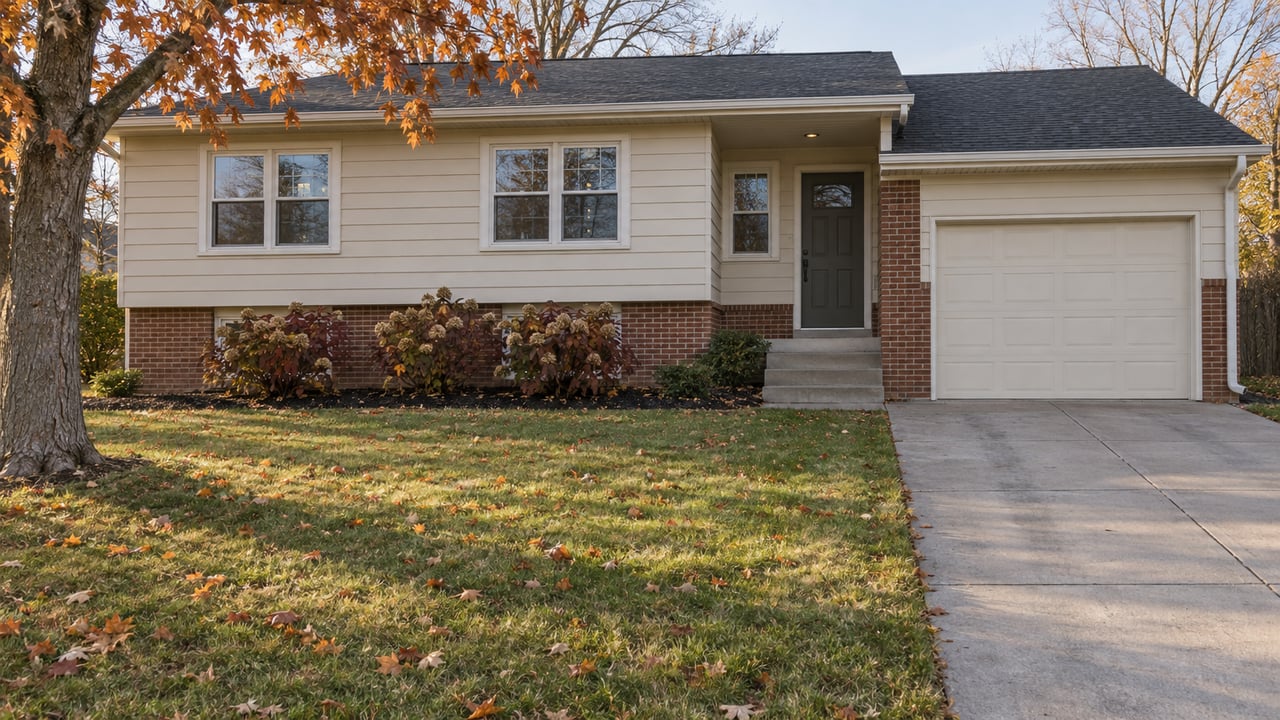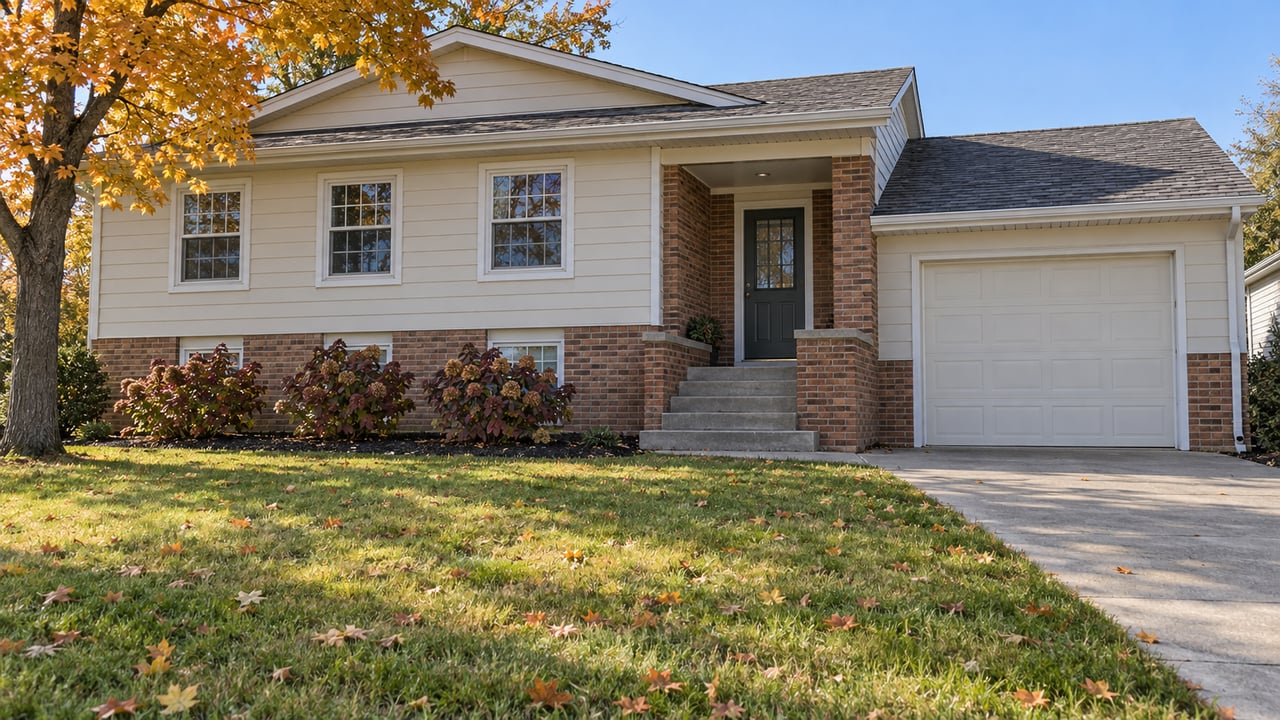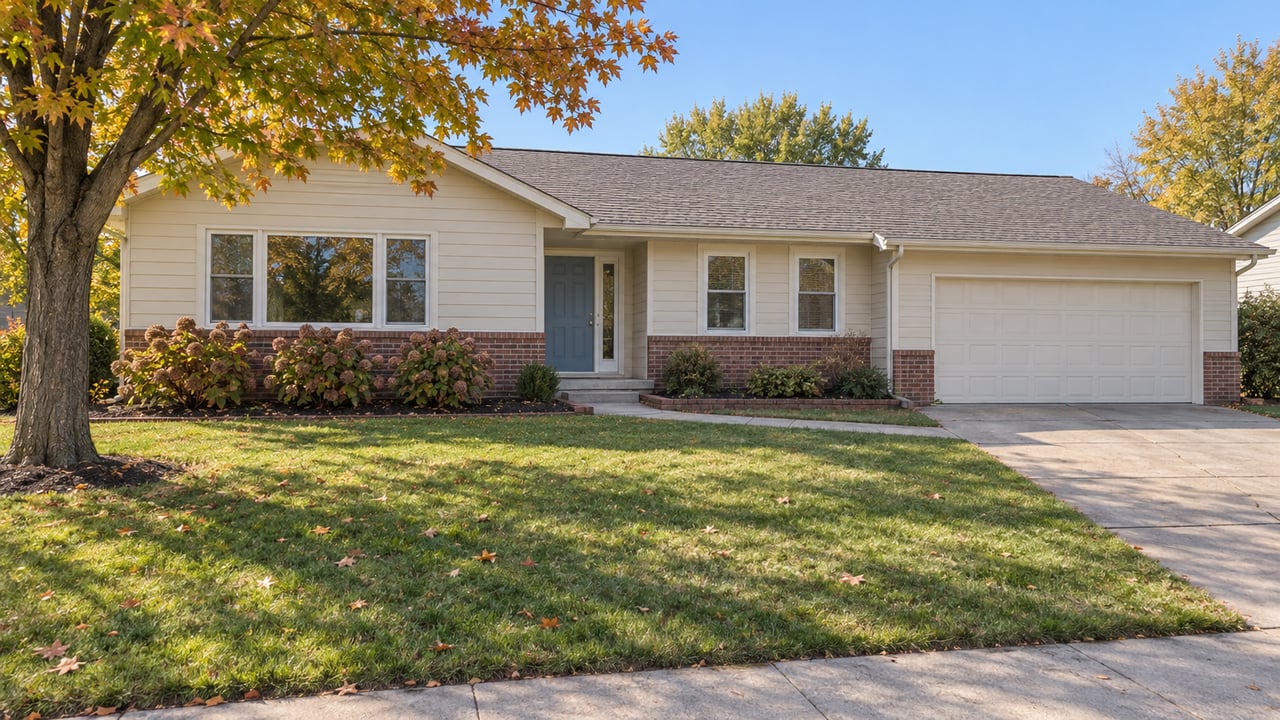
Thinking about selling your home in Miami County, KS? The process can feel like a lot to manage, especially when you are trying to time your next move, prepare your home, and make smart decisions about pricing. The good news is that with the right plan, you can move through each stage with more confidence, fewer surprises, and a clearer path to closing. Let’s walk through it step by step.
Know the Miami County timeline
If you are hoping for a quick, same-week sale, it helps to reset expectations. Recent market data points to a pace measured in weeks, not days. Depending on the source, homes in Miami County have recently gone pending in about 33 to 40 days, while some reports show an average days-on-market figure closer to 76 days.
That difference does not mean the data is conflicting as much as it reflects different tracking methods. The practical takeaway is simple: many Miami County sellers should plan for roughly one to three months from listing to accepted offer. Homes that are priced well and show as move-in ready may move faster.
Start with a selling strategy
Before photos, showings, or open houses, you need a plan. A strong selling strategy usually starts with your goals, your timing, and your likely net proceeds. If you are also buying another home, downsizing, or relocating within the Kansas City area, your sale plan should match your next step.
This is where thoughtful pricing and negotiation matter most. Recent Miami County data showed homes selling for about 98% of list price on average, and one county report noted an average sale price about 2.41% below asking. That makes disciplined pricing more important than reaching too high and needing to adjust later.
Prepare your home before listing
Pre-listing work can make a big difference in both your timeline and your leverage during negotiations. Buyers tend to respond best when a home feels clean, well-maintained, and ready for a smooth transition. Even in a market where homes still sell, condition can influence how quickly you receive an offer and what concessions a buyer requests.
Focus on the basics first:
- Deep clean the home
- Declutter surfaces, closets, and storage areas
- Handle obvious deferred maintenance
- Replace burnt-out bulbs and touch up paint where needed
- Improve curb appeal with simple outdoor cleanup
- Gather records for major repairs or updates
If your home is on acreage, a large lot, or has features that are more common in exurban properties, presentation still matters. Buyers want to understand the property clearly, so being organized about boundaries, improvements, and maintenance can help your listing stand out.
Get your paperwork in order
Kansas sellers should expect several documents as part of the listing process. The Kansas Real Estate Commission says the BRRETA brochure must be provided at the first practical opportunity, and the buyer and seller acknowledgment belongs in the contract for sale. KREC also advises consumers to read every document carefully and ask questions before signing.
Common listing-side forms approved by KREC include the Exclusive Seller Agency Agreement, the Real Estate Brokerage Relationships Disclosure Brochure, and the Required Statutory Disclosures Addendum. Your agent helps organize these forms and keep the process moving, but you should review each one closely so you understand your obligations and timeline.
Review key seller disclosures
Disclosures are one of the most important parts of preparing to sell. In Miami County, several items deserve extra attention because they can affect negotiations, buyer confidence, and contract terms. Getting ahead of them early can help reduce delays once you are under contract.
Here are some of the most important disclosure areas noted in the research:
- Special assessments or improvement districts: Kansas law requires written disclosure and buyer acknowledgment.
- Radon: Kansas requires a radon warning in residential sale contracts and disclosure of known elevated radon levels.
- Lead-based paint: For homes built before 1978, federal law requires disclosure of known hazards, delivery of the EPA pamphlet, and a 10-day opportunity for inspection or risk assessment unless the parties change that in writing.
It also helps to know your property tax status before listing. Miami County posts tax bills once a year, and current real estate taxes are due in full by December 22 or in two installments, with the second half due May 11. Taxes that remain delinquent for three years can go to tax foreclosure sale.
Price with the market, not against it
Pricing is one of the biggest factors in how your sale plays out. If your home is priced too high at launch, you may lose early momentum and end up negotiating from a weaker position later. In a market where recent county data has described conditions as leaning toward buyers, pricing correctly from the start matters.
A smart pricing strategy should reflect current competition, condition, location within Miami County, lot characteristics, and buyer expectations. It should also account for the fact that recent reports suggest many homes are getting limited offer volume, with one source saying most homes receive about one offer. When you price carefully, you improve your chances of attracting serious buyers earlier.
Launch your listing and manage showings
Once your home is live, the process shifts quickly into scheduling, communication, and feedback. This is where your listing agent acts as the central point for showings, offer delivery, and updates about inspections, title concerns, and buyer activity. Kansas law requires a seller’s agent to promote your interests, protect your confidences unless disclosure is required, present all offers in a timely manner, account for money received, and disclose known adverse material facts.
That role matters because selling is not just about getting traffic through the door. It is about staying organized, keeping momentum, and responding strategically as buyers move from interest to offer. Smooth communication during showings can help reduce stress and keep your transaction on track.
Evaluate offers beyond price
The highest offer is not always the strongest offer. When a buyer submits terms, you should look at the full package, including financing strength, contingencies, repair expectations, closing date, possession timeline, and any requested credits. Kansas also requires the exact agreement of the parties to be in writing when a licensee is involved.
KREC says sellers must receive approximate closing-cost information when an offer is presented. That is helpful because your true bottom line depends on more than the purchase price. A slightly lower offer with cleaner terms or a better closing fit may be the better choice.
Common negotiation points include:
- Purchase price
- Repair requests
- Seller credits
- Closing date
- Possession timing
- Personal property included in the sale
In some cases, a seller credit may be used instead of completing a repair before closing if both parties agree. That can be a practical solution when timing matters or when a buyer prefers to handle the work after taking ownership.
Move through the contract period
After you accept an offer, the process enters a more administrative stage. This is when the buyer’s lender, title company, and other parties begin working through financing, title review, and closing coordination. Even if the hard part feels done, there are still several important steps ahead.
For financed purchases, the buyer must receive the Closing Disclosure at least three business days before closing. If a major loan term changes late in the process, the lender may need to issue a new Closing Disclosure and restart that three-business-day review period. This is one reason sellers should avoid assuming a perfectly exact closing timeline too early.
Plan for taxes, title, and recording
Your final settlement figures usually include prorated taxes and assessments. On financed closings, the Closing Disclosure itemizes prorated county taxes, city or town taxes, and assessments. For Miami County sellers, that means your final numbers will often reflect local adjustments that affect your net proceeds.
Once closing is complete, the transfer becomes part of the public record through the Miami County Register of Deeds. The county currently lists a fee of $21 for the first page of a deed or mortgage and $17 for each additional page. While this is mostly an administrative detail, it is part of the final handoff from contract to completed sale.
Coordinate your move realistically
One of the biggest mistakes sellers make is assuming everything will line up perfectly. In reality, Miami County marketing time is often measured in weeks, and financed transactions include mandatory timing steps before closing. If you are also buying another home, it is wise to plan for some overlap or flexibility.
That may mean building in extra time for moving, arranging temporary storage, or negotiating possession terms that better fit your next step. A realistic transition plan can help you avoid last-minute stress and make better decisions during negotiations.
Why a step-by-step approach matters
Selling a home in Miami County is not just about putting a sign in the yard and waiting for offers. It is a sequence of decisions that affect your price, timeline, and overall experience. When you prepare early, disclose thoroughly, price carefully, and negotiate with a clear plan, you put yourself in a much stronger position.
If you want a selling experience that feels organized, data-driven, and personal, working with a local professional who values communication and strategy can make all the difference. If you are preparing to sell in Miami County, Kristi Porter can help you build a smart plan, navigate the details, and move forward with confidence.
FAQs
How long does it usually take to sell a home in Miami County, KS?
- Recent reports suggest many Miami County homes take several weeks to go under contract, with a practical planning range of about one to three months from listing to accepted offer.
What disclosures matter most when selling a home in Miami County, KS?
- Important disclosure topics can include special assessments or improvement districts, known elevated radon levels, and lead-based paint requirements for homes built before 1978.
What can sellers negotiate in a Miami County home sale?
- Sellers can often negotiate price, repairs, seller credits, closing date, possession timing, and what personal property stays with the home.
Do Miami County sellers need to plan for taxes at closing?
- Yes. Final closing figures often include prorated county taxes, local taxes where applicable, and assessments that can affect your net proceeds.
Should I expect my sale and next purchase to close on the same day in Miami County?
- It is possible, but not always realistic. Because listing timelines and mortgage closing steps can create delays, many sellers benefit from planning for some overlap or flexibility.